• Main Site
  • About Us
  • Volunteer
  • Contact
Stay in touch and "Follow us" on social media!
Thursday, December 11, 2025
MHRCET
  • Home
  • Our Blog
  • Articles
  • Share Your Story
  • In The News
No Result
View All Result
  • Home
  • Our Blog
  • Articles
  • Share Your Story
  • In The News
No Result
View All Result
MHRCET
No Result
View All Result
Home Articles

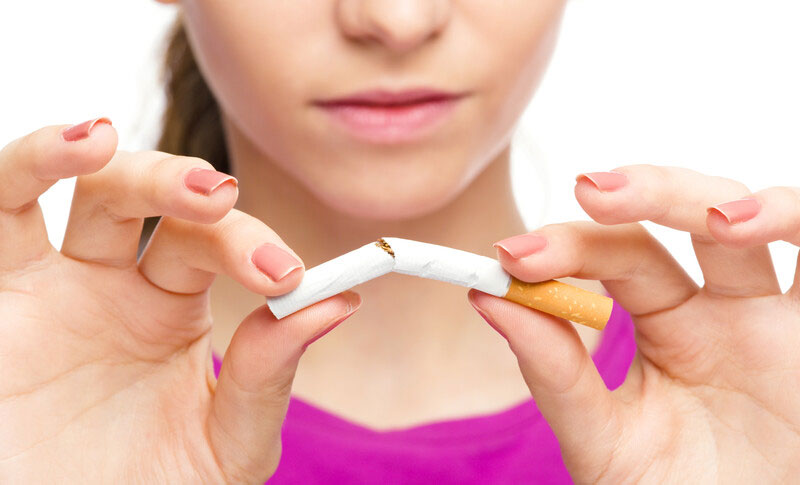
How to Quit Smoking On Your Terms

in Articles
0
How to Quit Smoking On Your Terms
16
SHARES
42
VIEWS
Share on FacebookShare on TwitterShare on Pinterest

In a recent study more than 47 million adults and 4 million youth in the U.S. smoke cigarettes ( 1 out of every 4 adults  and high school students).  Although charts have shown the decrease in smoking over the years, statistics indicate smoking is still very much a health problem.

Cigarettes continue to cause chronic diseases and death.  Taking the lives of 12 million Americans since 1964, smoking costs the nation almost $158 billion each year in medical costs, neonatal care, and cost productivity.

Why is it so hard to quit smoking?

An addictive substance called nicotine reaches the brain faster than drugs that are used intravenously.  Therefore, smokers become physically and psychologically addicted.

Difficulty in quitting can stem from the thought of withdrawals, as well as weight gain.  But persistence has its rewards.

A decade after quitting smoking, the risk of lung cancer reduces by 50 percent.  After 10 years a smoker’s risk is equivalent to a person who has never smoked.  Additionally, ulcer and heart disease decrease, along with kidney, cervical, esophageal, and pancreatic cancer.

Quitting Tips

  • Wean the craving of smoking by replacing some of the nicotine with a patch applied to your skin, a nicotine gum, nicotine lozenge, nicotine inhaler or a nasal spray.
  • Take a smoking cessation medication 7 to 12 weeks, preceded by one week prior to quitting is recommended.
  • List the importance of your desire to quit smoking and follow through
  • Eat regular meals without indulging in too many sweets or candy
  • Talk with a family member or friend who will support and encourage you
  • Discuss with your health care provider or physician ways to stay stop and stay smoke free
  • Enroll in a smoking cessation program at a local community center, hospital, or health site
  • Read and learn about self-hypnosis techniques
  • Incorporate more exercise into your daily routine, including walking and bike riding

Note:  Don’t get discouraged if you are unable to quit smoking on your first attempt.  Nicotine addiction is a difficult task requiring perseverance.  Develop new strategies and keep moving forward with your plan and objective to quit.

Quitting Signs – What to Expect When Symptoms Arise

  • Headaches
  • Difficulty concentrating
  • Drowsiness and difficulty sleeping
  • Irritability or depression
  • Intense craving for nicotine
  • Increased appetite and weight gain
  • Frustration, impatience, anxiety or tension

Keep in mind, the longer you smoked and the number of cigarettes will determine the severity of the symptoms. 
Related Posts

Police Mental Health Training

Police Mental Health Training

Managing Mental Illness

Managing Mental Illness

Mental Health in the Workplace

Mental Health in the Workplace

Bipolar Disorder

Bipolar Disorder

Instagram Posts

  • This month, we recognize and honor the unwavering commitment of caregivers. Supporting individuals who have experienced trauma, instability, or loss requires extraordinary compassion, patience, and resilience. Whether you
  • When we talk about mental health, we normalize the experiences that so many people face…stress, anxiety, depression, trauma, and more. Having an open discussion also drives systemic change. It challenges outdated beliefs, informs better policies, and promotes access to care. These conversations are the first step toward building a more compassionate and inclusive society.

Get involved and join the conversation.
  • Bebe Moore Campbell Minority Mental Health Month is a time to raise awareness and uplift the voices of BIPOC communities. This month, we honor her legacy by continuing the work she started: advocating for equity, healing, and culturally responsive care.

"Learn more about our youth-led initiative at www.mhrcet.org."

#minoritymentalhealthmonth #bebemoorecampbell #youthmentalhealth #mentalhealthequity #mhrcet
  • Today, we recognize the invisible wounds carried by many young people, especially those from marginalized communities who have experienced trauma.

Post-Traumatic Stress Disorder (PTSD) doesn’t always look the same in youth. It can show up as anxiety, withdrawal, anger, or even academic struggles. For marginalized youth, the effects of trauma are often compounded by systemic barriers, discrimination, and lack of access to mental health resources.

In observance of this day, let’s:
-  Start conversations about trauma and healing
-  Advocate for trauma-informed care in schools and youth programs
-  Support organizations that uplift and empower youth mental health

Every young person deserves to feel safe, seen, and supported. Healing is possible and awareness is the first step.

#PTSDawareness #youthmentalhealth #traumainformed #marginalizedvoices #healingtogether

Recent Topics

MHRCET is comprised of caring, dedicated, and mission driven individuals working toward the common goal of helping those with mental health and recovery issues.

Read more

  • Contact
  • Privacy Policy
  • Terms & Conditions

Copyright © 2018-2025 Mental Health and Recovery Counseling Education and Training All Rights Reserved.

Welcome Back!

Login to your account below

Forgotten Password?

Retrieve your password

Please enter your Username to reset your password.

Log In
No Result
View All Result
  • Home
  • Our Blog
  • Articles
  • Share Your Story
  • In The News

Copyright © 2018-2025 Mental Health and Recovery Counseling Education and Training All Rights Reserved.

Skip to content
Open toolbar Accessibility Tools

Accessibility Tools

  • Increase TextIncrease Text
  • Decrease TextDecrease Text
  • GrayscaleGrayscale
  • High ContrastHigh Contrast
  • Negative ContrastNegative Contrast
  • Light BackgroundLight Background
  • Links UnderlineLinks Underline
  • Readable FontReadable Font
  • Reset Reset
  • HelpHelp