• Main Site
  • Home
  • About Us
  • Volunteer
  • Contact
Stay in touch and "Follow us" on social media!
Thursday, September 10, 2026
MHRCET-Blog
  • Home
  • Our Blog
  • Articles
  • Share Your Story
  • In The News
No Result
View All Result
  • Home
  • Our Blog
  • Articles
  • Share Your Story
  • In The News
No Result
View All Result
MHRCET
No Result
View All Result
Home Blog

How to Provide Mental Health Support

in Blog
0
How to Provide Mental Health Support
16
SHARES
43
VIEWS
Share on FacebookShare on BlueskyShare via Email

by Rhonda W.

The terms “mental health” and “behavioral health” refer to the cognitive, behavioral, and emotional well-being of others. It has to do with how people think, feel, and act.

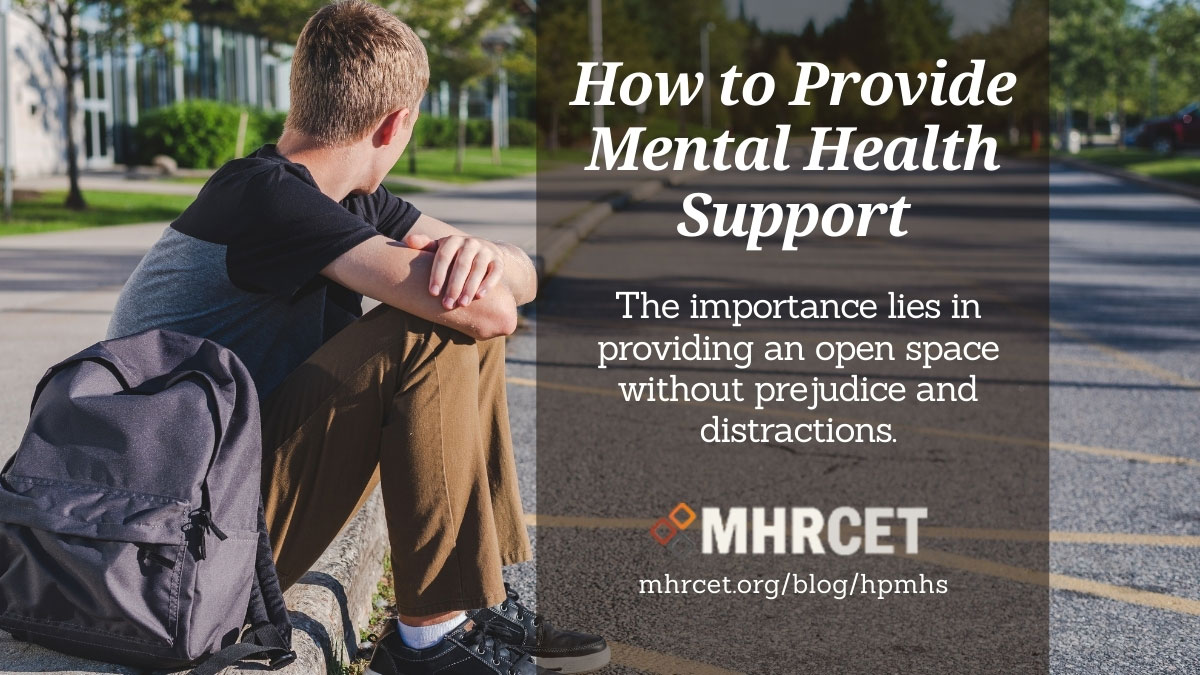
  1. Make time without distractions – It is important to provide an open space without prejudice and distractions.
  2. Give an individual the freedom to share as much or as little as they choose – Allow them to guide the conversation at their own pace. Don’t pressure them to tell you something they are not willing to talk about. Talking can take a lot of confidence and courage. You might be the first person they’ve had the opportunity to speak with.
  3. Don’t try to diagnose or guess someone’s feelings – You are probably not a medical expert, and while you may be happy to speak up and offer support, you are not a trained counselor. Try not to make assumptions about what is wrong or intervene too quickly with your own diagnosis or solutions.
  4. Keep the questions open – Say “Why don’t you tell me how you feel?” Or “I can see you’re in a lot of pain.” Give the person time to respond and try not to cross-examine them with too many questions.
  5. Have a conversation about wellness – Talk about ways to de-stress or practice self-care and ask if they find anything helpful. Discussing ways to exercise, eating a healthy diet, and getting a good night’s sleep can also help protect mental health and maintain well-being.
  6. Pay attention – Repeat what you have been told to make sure you understand. You don’t have to agree with everything they say, but showing them that you understand how they feel is letting them know that you respect their feelings.
  7. Offer help in seeking personal or professional support – You may want to offer assistance in talking to a counselor, or suggest talking to a friend or family member. Allow them to make their own decisions rather than taking command.
  8. Know your limits – Call for help or signaling if the problem is serious. If you think they are in immediate danger or have injuries that need medical attention, you need to take steps to make sure they are safe.

A small selfless act can go a long way in providing mental health support to someone in need.

Related Posts

Men and Mental Health

Men and Mental Health

Anxiety Disorders

Anxiety Disorders

Suicide Prevention Awareness Month

Suicide Prevention Awareness Month

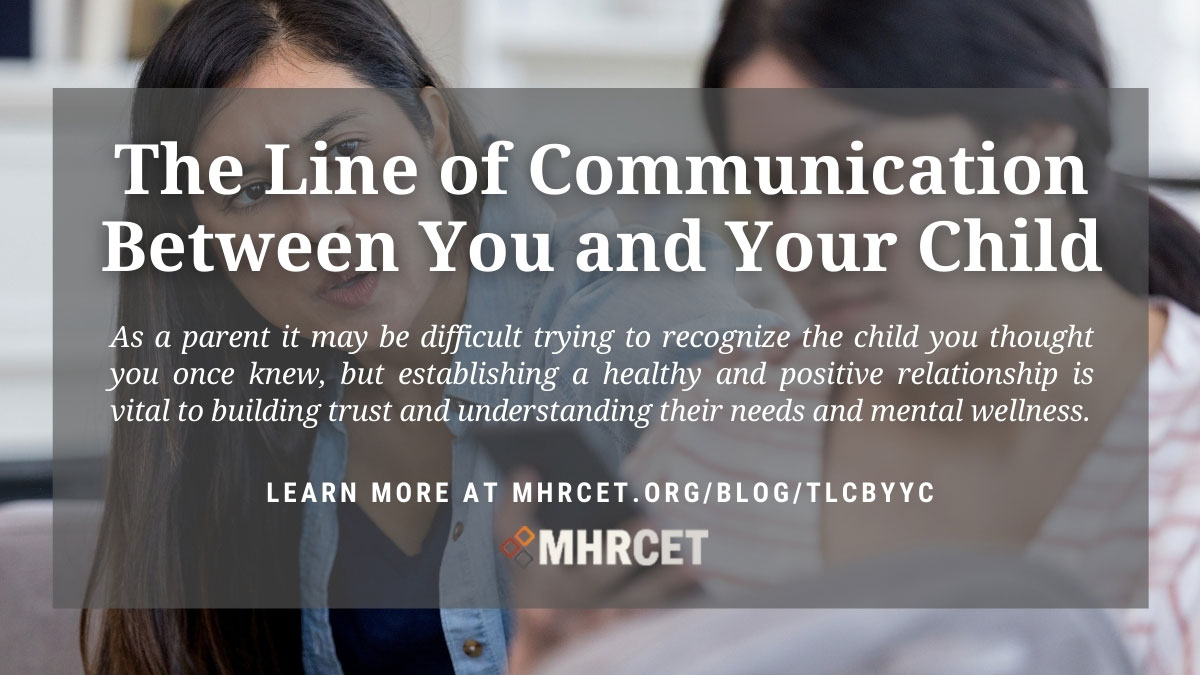
The Line of Communication Between You and Your Child

The Line of Communication Between You and Your Child

Instagram Posts

  • Everyone
  • September is Suicide Prevention Awareness Month. Every conversation, every act of support, and every step toward healing matters. If you or someone you know needs support, call or text 988. 988lifeline.org
  • Supporting today’s youth means showing up with empathy, patience, and a willingness to listen without judgment. Many young people are navigating challenges that aren’t always visible (stress, uncertainty, limited resources, or feeling unheard) and even small acts of support can make a difference. Offer encouragement, create safe spaces for honest conversations, and remind them they are valued and capable. When we invest our time, compassion, and belief in young people, we help them build confidence, resilience, and hope for their future.

Learn more about how we
  • Cheers to 2026! We’re grateful for every moment shared with our amazing community. Here’s to more growth and making an unforgettable impact this year.

Recent Topics

MHRCET is comprised of caring, dedicated, and mission driven individuals working toward the common goal of helping those with mental health and recovery issues.

Read more

  • Contact
  • Privacy Policy
  • Terms & Conditions

Copyright © 2018-2026 Mental Health and Recovery Counseling Education and Training All Rights Reserved.

Welcome Back!

Login to your account below

Forgotten Password?

Retrieve your password

Please enter your Username to reset your password.

Log In
No Result
View All Result
  • Home
  • Our Blog
  • Articles
  • Share Your Story
  • In The News

Copyright © 2018-2026 Mental Health and Recovery Counseling Education and Training All Rights Reserved.

Skip to content
Open toolbar Accessibility Tools

Accessibility Tools

  • Increase TextIncrease Text
  • Decrease TextDecrease Text
  • GrayscaleGrayscale
  • High ContrastHigh Contrast
  • Negative ContrastNegative Contrast
  • Light BackgroundLight Background
  • Links UnderlineLinks Underline
  • Readable FontReadable Font
  • Reset Reset
  • HelpHelp